I'm Ganeshkumar. 8+ years designing the system, and the bridge between Figma and code.
Product designer on Zoho SalesIQ, the enterprise messaging platform that runs across web, mobile and WhatsApp. I own its 48-component design system and the workflow that turns Figma into production code.
metrics.years8+years designing one enterprise product end to end
metrics.metric30%faster bot setup after the chatbot builder redesign
metrics.components48+components in the SalesIQ design system I run
metrics.modules20+product modules kept consistent across platforms
Selected work on Zoho SalesIQ
Eight product areas, each designed from research through launch. Every one ships as components from the same system.
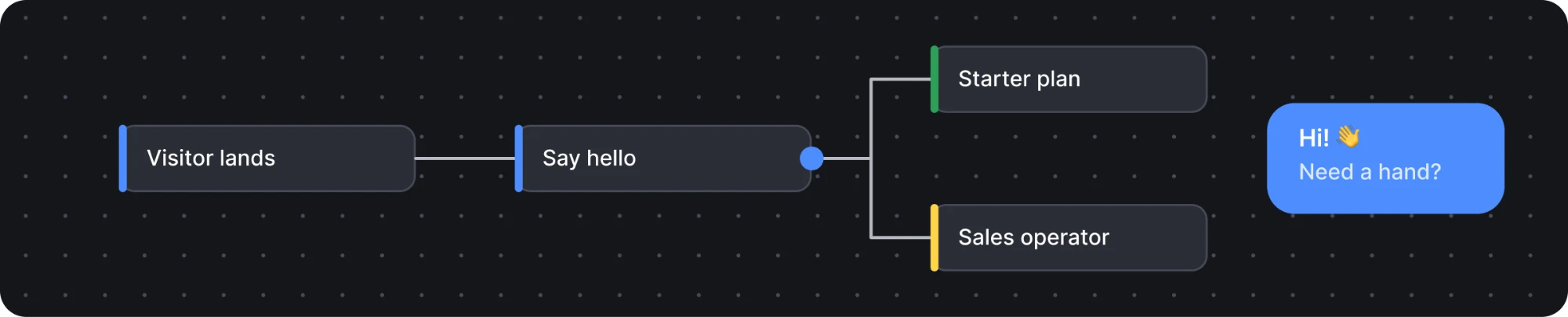
Zobot, the no-code chatbot builder <Zobot />Setup time −30%
Businesses wanted to automate support without asking a developer. I rebuilt the builder as a drag-and-drop canvas with guided blocks and sensible defaults, so a non-technical admin can publish a working bot in one sitting.
FlowCanvas, Block, Inspector, Button — all from @salesiq/ui
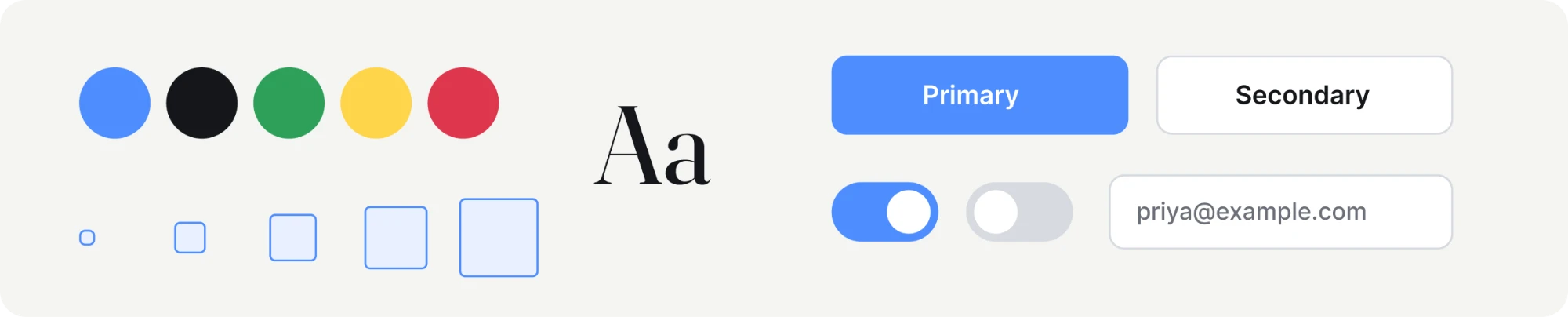
SalesIQ design system <DesignSystem />48+ components
I run the design system: 48+ components on one set of tokens, mapped to real code and generated with AI, so the same component ships on web, mobile SDK and WhatsApp.
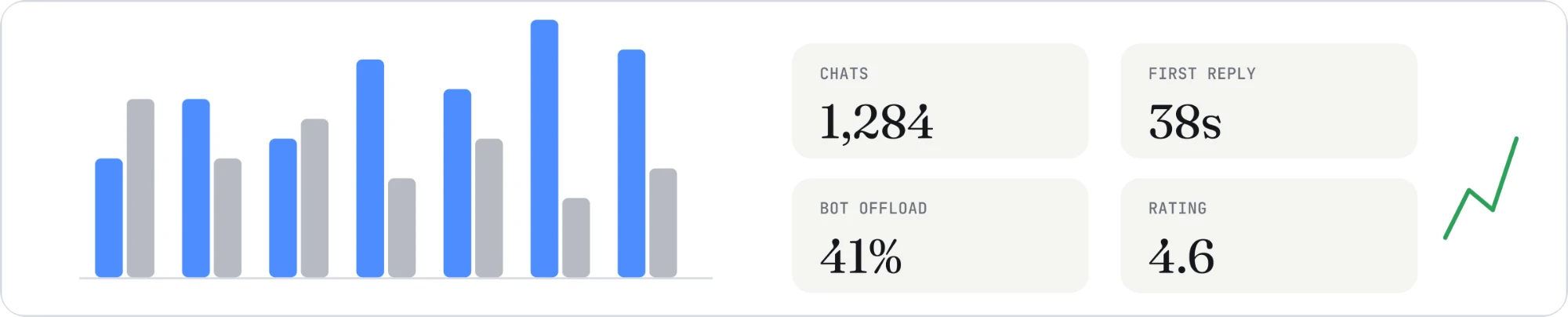
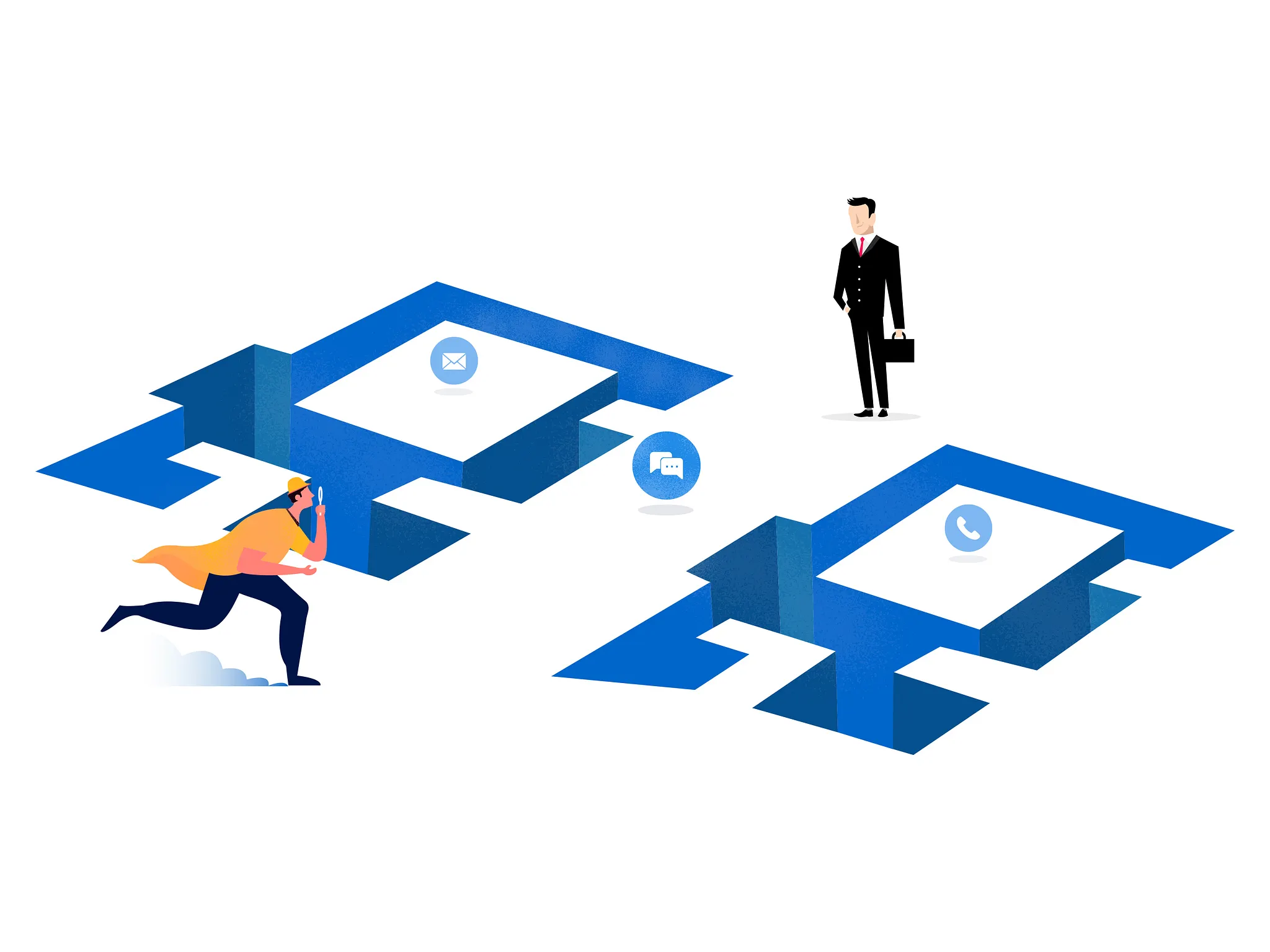
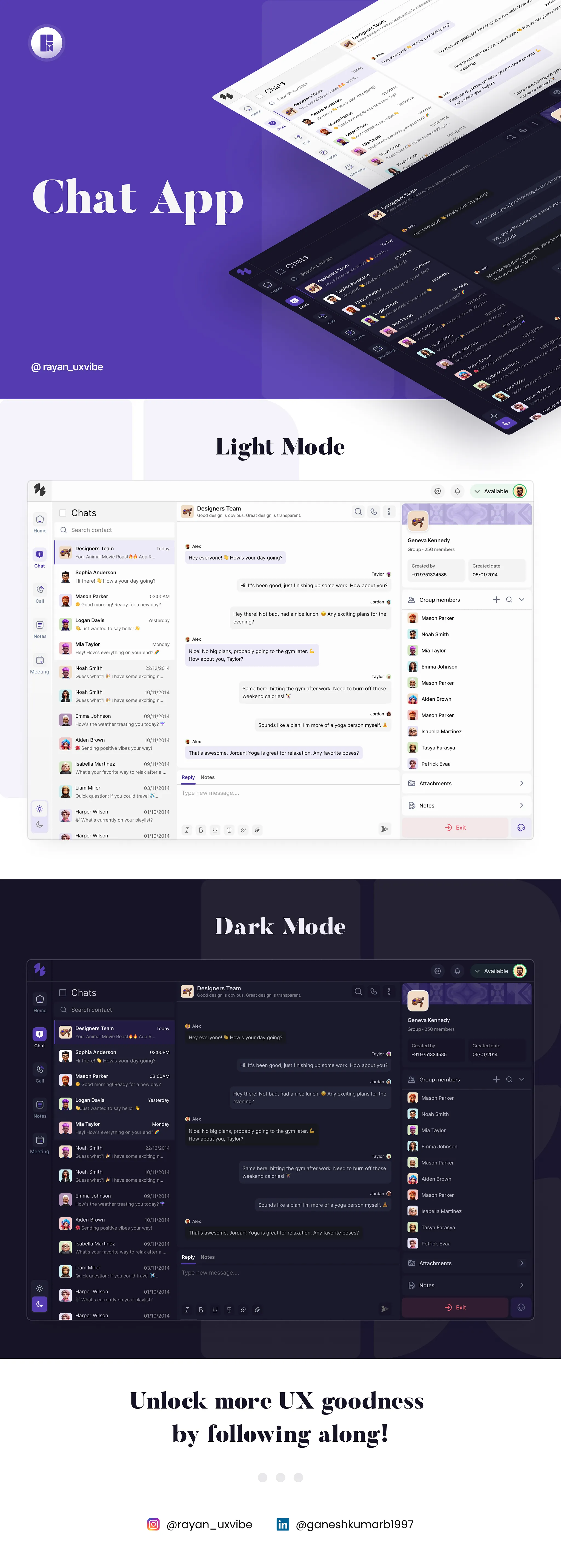
Agents juggle many chats at once. I redesigned the SalesIQ operator console so the queue, the conversation and everything about the visitor sit in one calm view.
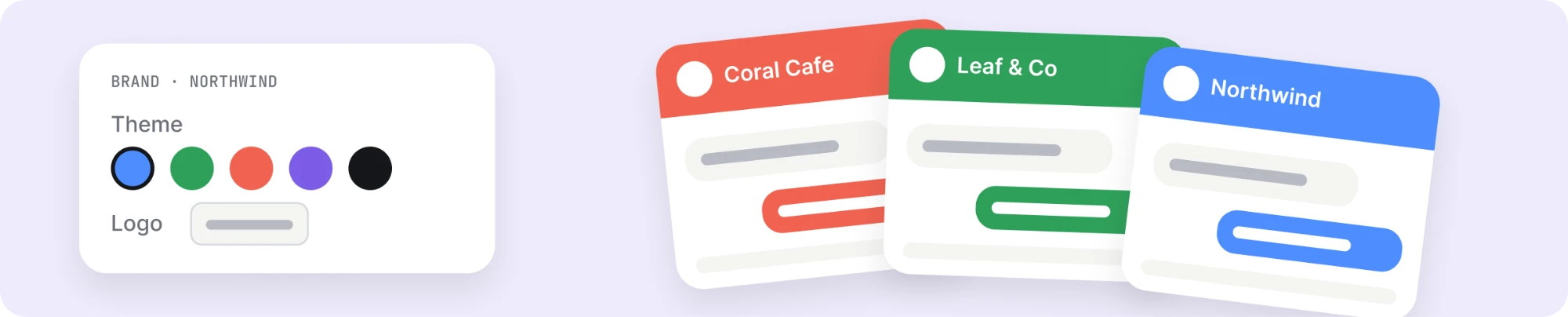
Case study in progress. Ask me about turning brand setup across web, SDK and WhatsApp into something admins finish on their own.
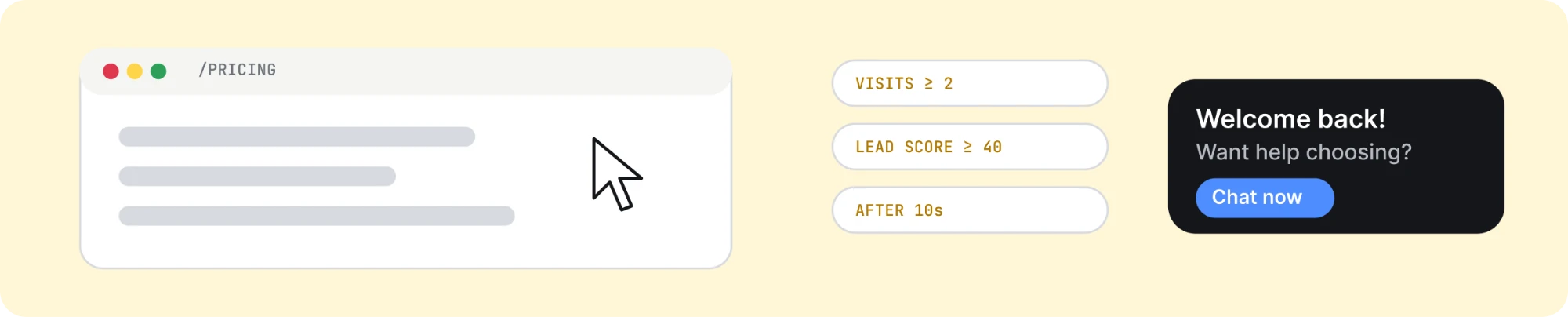
Proactive Chat across channels <ProactiveChat />Messaging
Case study in progress. Ask me about proactive triggers that reach visitors on the right channel at the right moment.
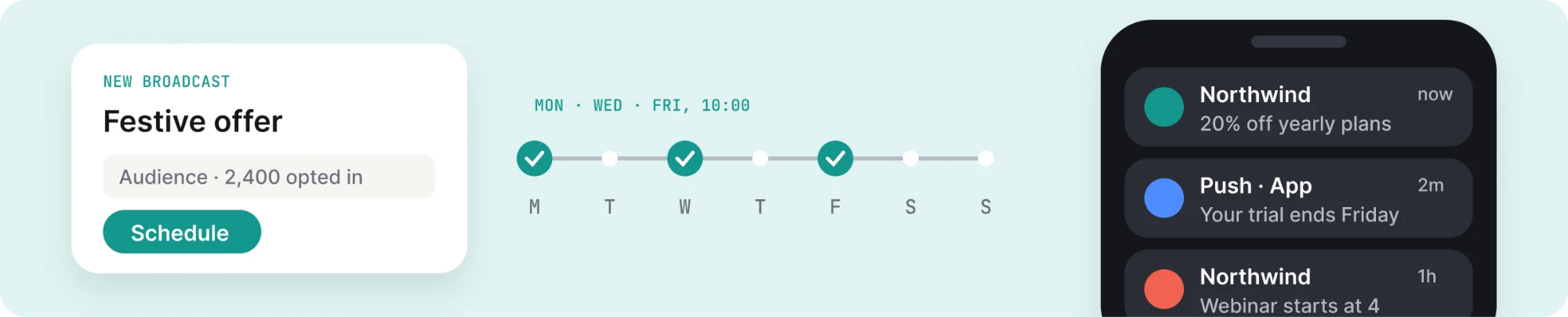
Outbound broadcast and push campaigns <Outbound />Messaging
Case study in progress. Ask me about campaign composition, audience targeting and delivery reporting.
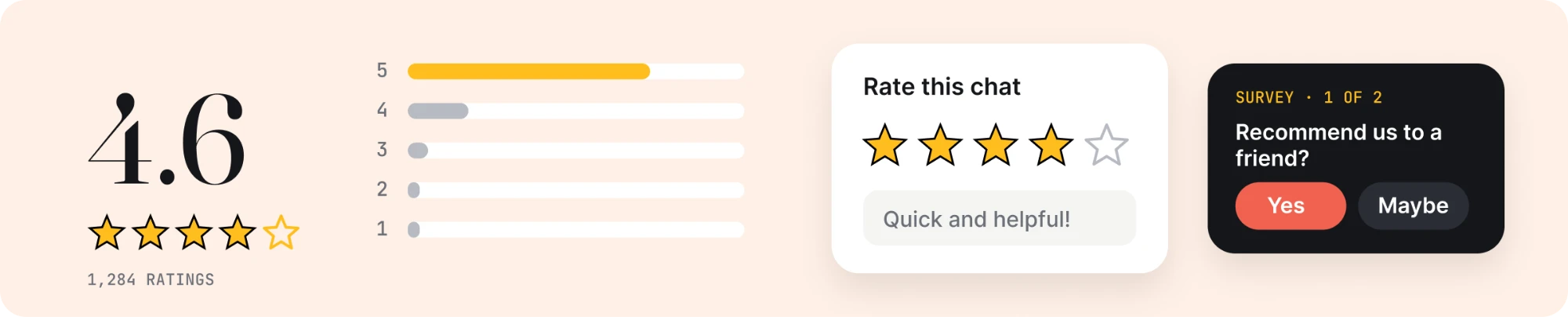
Survey, Rating and Feedback <Feedback />Feedback
Case study in progress. Ask me about collecting ratings and feedback without interrupting the conversation.
How the system ships
Figma to code without the gap. Five steps, one source of truth.
01
Tokens
Colour, type, space and radius as Figma variables with light and dark modes.
→
02
Components
48+ components built on the tokens, documented and governed.
→
03
Code Connect
Each component mapped to its real code, so Dev Mode shows the truth.
→
04
Figma MCP
Agents read the mappings and generate production components with Claude.
→
05
Ship
Same component across web, mobile SDK and WhatsApp. Zero drift.
Story
The best compliment my work gets is when a non-technical user sets something up without asking for help.
I joined Zoho as an intern in 2018 and have designed SalesIQ ever since: research, UX, visual design and the design system that keeps it consistent. Lately I'm obsessed with the layer between design and code. My day-to-day is Figma variables, design tokens and Code Connect, and I'm building AI-assisted workflows with Claude and Figma MCP that generate a design system twice: once as a Figma library, once as production components. Outside the product I make user-education videos for SalesIQ shown at Zoholics, partner events and meetups.
2024 — nowSenior Visual Designer (Product Design), Zoho SalesIQDesign system owner, Figma MCP and Code Connect, Operator Console
2014 — 2017BCA, Computer ApplicationsKongu Arts and Science College, Bharathiar University
Illustration & visual work
gallery/ · 20 pieces · illustration, 3D & app concepts
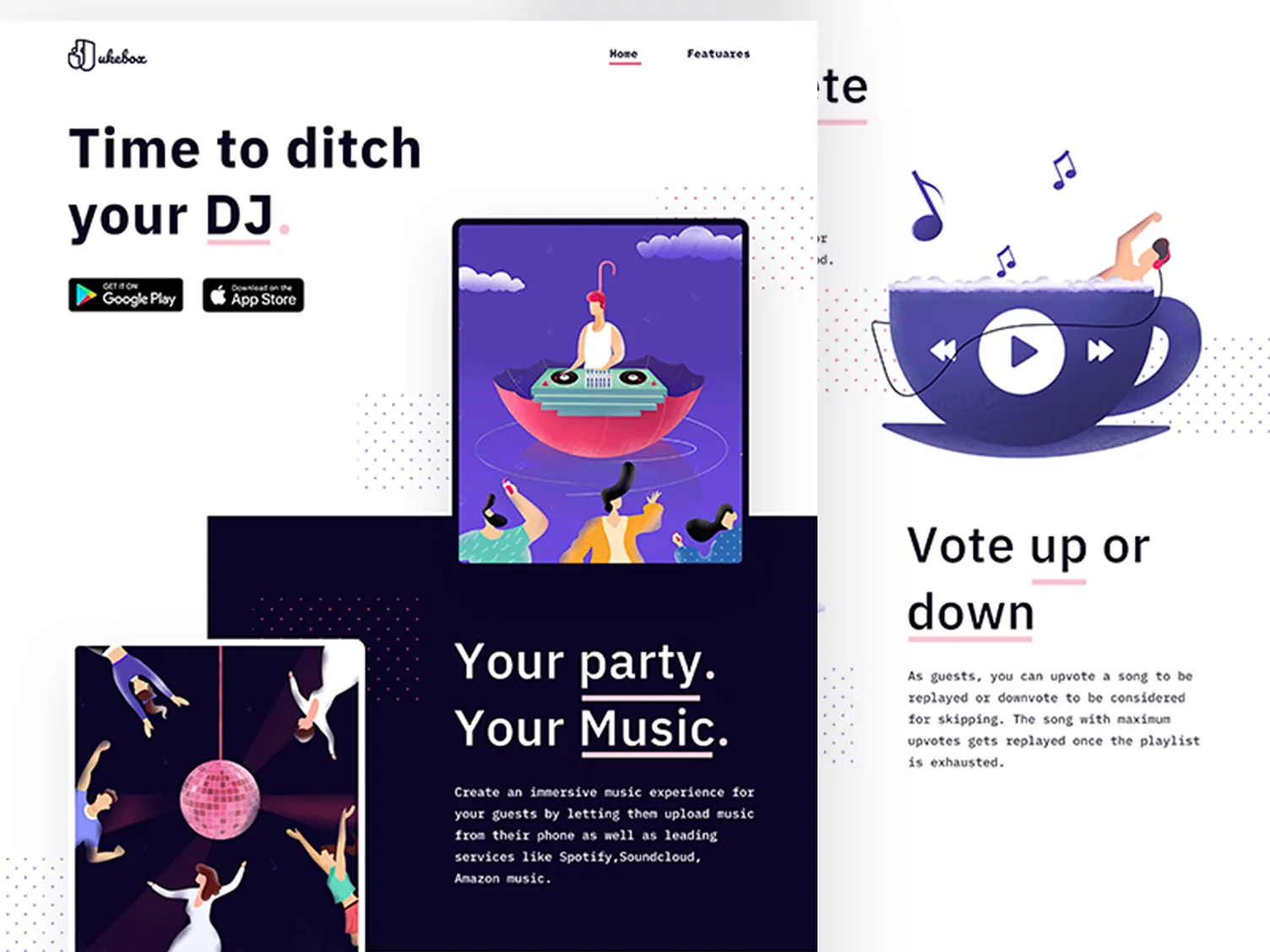
App concepts, 3D renders and motion pieces shared on Instagram and LinkedIn, plus launch visuals and the user-education videos shown at Zoholics and partner events.
Short, opinionated posts on UI fundamentals, design systems and working with AI. One screen, one idea, no jargon.
DESIGN SYSTEMS
featured · carousel · 9 slides
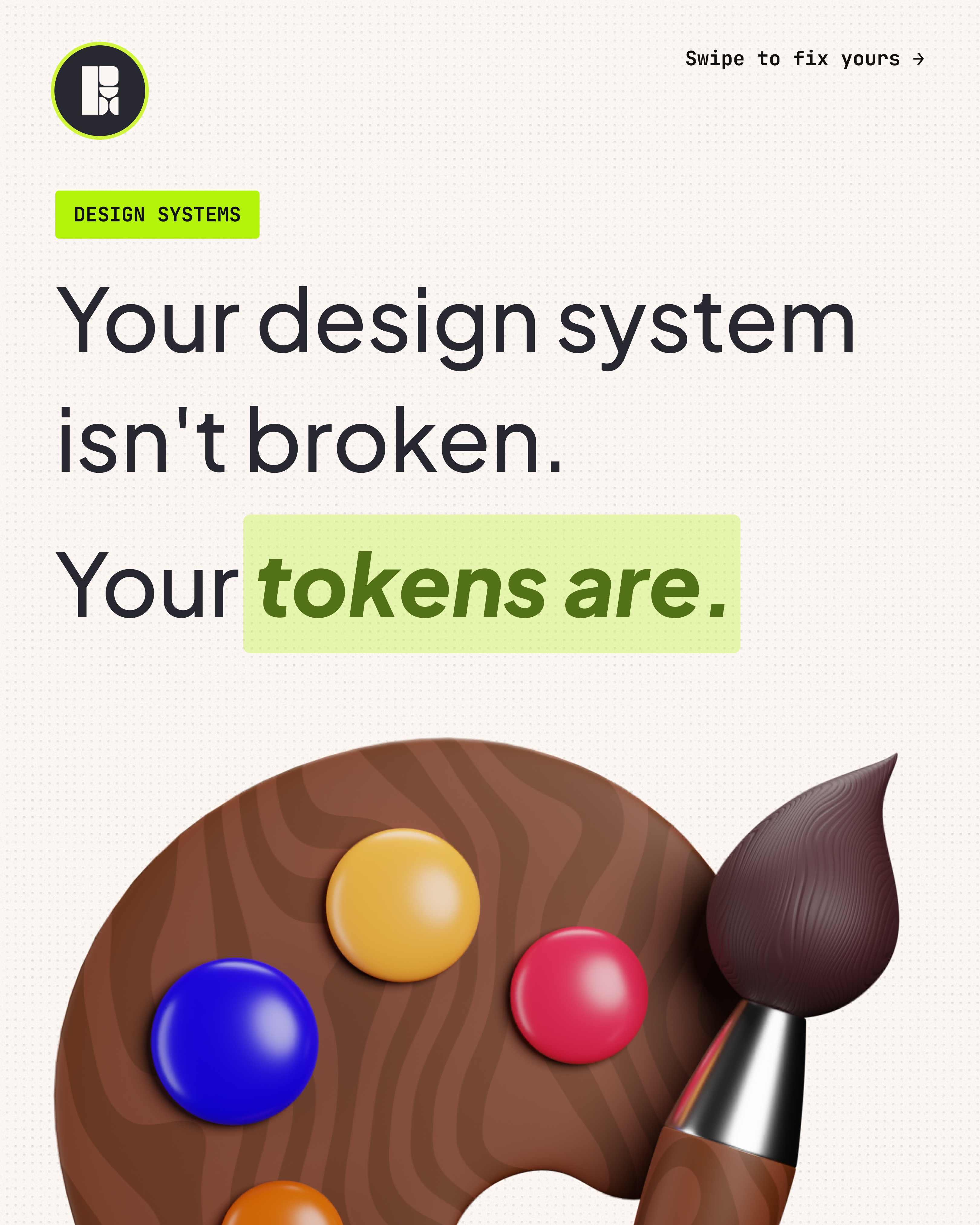
Your design system isn't broken. Your tokens are.
Most "broken" systems have perfectly fine components sitting on inconsistent colour, type and spacing values. Fix the tokens first and the components fix themselves. Swipe to fix yours.
 Open to lead product design roles

















 DESIGN SYSTEMS